Guestbook
Hi, i would like to learn more, thank you.
Christian Aguirre <aguirre.jurisconsulto@gmail.com>
LEON, Mexico - Thursday, August 10, 2023 at 06:21:07 (CEST)
Christian Aguirre <aguirre.jurisconsulto@gmail.com>
LEON, Mexico - Thursday, August 10, 2023 at 06:21:07 (CEST)
Hi, i would like to sign for Guest book and learn more, thank you.
Christian Agiorre <aguirre.jurisconsulto@gmail.com>
Thursday, August 10, 2023 at 06:19:57 (CEST)
Christian Agiorre <aguirre.jurisconsulto@gmail.com>
Thursday, August 10, 2023 at 06:19:57 (CEST)
downloads doesn't work, can you fix it?
Ignas <ignas.emaitis@gmail.com>
Kaunas, Lithuania - Tuesday, June 13, 2023 at 18:32:07 (CEST)
Ignas <ignas.emaitis@gmail.com>
Kaunas, Lithuania - Tuesday, June 13, 2023 at 18:32:07 (CEST)
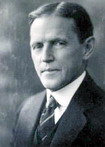
Thanks for this invention William H. Bates.
Denis Astahov
Vancouver, Canada - Friday, December 3, 2021 at 17:04:20 (CST)
Denis Astahov
Vancouver, Canada - Friday, December 3, 2021 at 17:04:20 (CST)
Very nice site. Many articles, suggestions and oth. Very good, thank you.
Miguel <miguel_super1988@mail.ru>
New Maklahen, Usa - Tuesday, October 5, 2021 at 04:18:28 (CDT)
Miguel <miguel_super1988@mail.ru>
New Maklahen, Usa - Tuesday, October 5, 2021 at 04:18:28 (CDT)
Thank you very much for your help in my struggle to get rid of the glasses, I wish I had discovered these teachings as a child but it's never too late
SILVIA
VALENCIA - Sunday, June 6, 2021 at 13:12:27 (CDT)
SILVIA
VALENCIA - Sunday, June 6, 2021 at 13:12:27 (CDT)
Hi, I wanted to thank you for uploading all those books and Better Eyesight magazines here for free. It's very generous of you that you're making them accessible for everyone and taking your spare time to spread knowledge about the Bates method. On a side note, I'm trying to improve my nearsightedness & astigmatism and although I understand the theory of the method and believe it can work for me (I have had some flashes of dramatically improved/perfect vision) I haven't secured any permanent improvement for some reason (not the lack of trying!). I've been thinking, maybe I would do better if I could talk to somebody who had experience with the Bates method - and that's also why I'm writing here. I know you've removed your contact page after you had received too many messages and so I'm not even addressing this request personally to the author of this page, but - if ANYONE who is reading this wants to spare some time to help me out or just talk to a fellow vision improver - could you email me at visionimprover187@gmail.com? Seriously, I'd love to get in contact with somebody who's into natural vision improvement to exchange ideas and motivate each other, but it's not easy to find such people. So I'm just throwing this little invitation here in the hope that somebody will respond.
Vision Improver <visionimprover187@gmail.com>
Poland - Sunday, February 18, 2018 at 11:52:58 (CST)
Vision Improver <visionimprover187@gmail.com>
Poland - Sunday, February 18, 2018 at 11:52:58 (CST)
Thanks for such a useful article collection.Please provide the trainer's contact email.
Farhan <sereenaaslam@gmail.com>
Dammam, Saudi Arabia - Tuesday, October 10, 2017 at 11:33:26 (CDT)
Farhan <sereenaaslam@gmail.com>
Dammam, Saudi Arabia - Tuesday, October 10, 2017 at 11:33:26 (CDT)
Thank you for your contribution to vision.
Shivaun
Shivaun Riley <shivaun_riley@yahoo.com>
Dublin, Ireland - Wednesday, March 1, 2017 at 12:10:58 (CST)
Shivaun
Shivaun Riley <shivaun_riley@yahoo.com>
Dublin, Ireland - Wednesday, March 1, 2017 at 12:10:58 (CST)
I'd love to download the computer updates...do you anticipate having it available for Mac??
Shelly <shays66@outlook.com>
Dallas, USA - Thursday, February 23, 2017 at 16:52:48 (CST)
Shelly <shays66@outlook.com>
Dallas, USA - Thursday, February 23, 2017 at 16:52:48 (CST)
Saved entire site! Thanks
Martin
London - Monday, February 10, 2014 at 06:56:17 (CST)
Martin
London - Monday, February 10, 2014 at 06:56:17 (CST)
This book has astigmatism correction; http://www.amazon.com/Relearning-See-Improve-Eyesight-Naturally/dp/1556433417/ref=sr_1_2?s=books&ie=UTF8&qid=1391014239&sr=1-2&keywords=natural+eyesight%2C+vision%2C+glasses
Entire training is here FREE = http://cleareyesight-batesmethod.info/
Marissa Sanchez
Wednesday, January 29, 2014 at 10:52:29 (CST)
Entire training is here FREE = http://cleareyesight-batesmethod.info/
Marissa Sanchez
Wednesday, January 29, 2014 at 10:52:29 (CST)
I used to use this software, but I cannot use it after changed to Windows 7 recently :<
doris
Tuesday, January 28, 2014 at 03:01:43 (CST)
doris
Tuesday, January 28, 2014 at 03:01:43 (CST)
Seek the cure for presbyopia. And small amount astigmatism right eye
Ava Sanisnin
Oslo, Norway - Thursday, January 23, 2014 at 07:29:37 (CST)
Ava Sanisnin
Oslo, Norway - Thursday, January 23, 2014 at 07:29:37 (CST)
I've been visiting this site for some time now and it has helped me improve my vision, though only a little bit. I can't fully practice the methods of Dr. Bates because of my work but I will continue to practice and hopefully really improve my vision in the near future .
Thanks a lot!
richard chan <rjlchan@yahoo.com>
cebu, philippines - Sunday, March 31, 2013 at 23:33:50 (CDT)
Thanks a lot!
richard chan <rjlchan@yahoo.com>
cebu, philippines - Sunday, March 31, 2013 at 23:33:50 (CDT)
I would love to improve my eye sight with Dr. Blates´recommendations. I haven´t started yet because I´m just exploring the site. Anyway, it seems pretty interesting and fascinating!
Thank you for such a wonderful web page.
Margarita Rodríguez P. <laliparis@yahoo.es>
Bogotá,D.C., Colombia - Wednesday, January 16, 2013 at 17:14:57 (CST)
Thank you for such a wonderful web page.
Margarita Rodríguez P. <laliparis@yahoo.es>
Bogotá,D.C., Colombia - Wednesday, January 16, 2013 at 17:14:57 (CST)
Hi Joe!
If you research how the pinholes work, you'll discover that they are somewhat of a lens themselves. I've seen them mostly used as a teaching tool. But if you want to use pinholes instead of glass for your lenses, you certainly could experiment. By themselves though I am not aware of anyone fixing their sight just by wearing them.
Hope that helped.
Cheers!
FIAT2LUX
USA - Monday, January 14, 2013 at 07:58:00 (CST)
If you research how the pinholes work, you'll discover that they are somewhat of a lens themselves. I've seen them mostly used as a teaching tool. But if you want to use pinholes instead of glass for your lenses, you certainly could experiment. By themselves though I am not aware of anyone fixing their sight just by wearing them.
Hope that helped.
Cheers!
FIAT2LUX
USA - Monday, January 14, 2013 at 07:58:00 (CST)
Please send me the relevant details for myopia and astigmatism.
Thomas Vimal Raj <thomasvimalraj@yahoo.com>
Chennai, India - Wednesday, October 24, 2012 at 23:42:57 (CDT)
Thomas Vimal Raj <thomasvimalraj@yahoo.com>
Chennai, India - Wednesday, October 24, 2012 at 23:42:57 (CDT)
Thanks for all. I'll do all my best to reach the goal. I'm sure, I'll throw away my glasses. God bless you
Marco <marcosalomoni@lifegate.it>
Rome, Italy - Saturday, October 20, 2012 at 11:21:41 (CDT)
Marco <marcosalomoni@lifegate.it>
Rome, Italy - Saturday, October 20, 2012 at 11:21:41 (CDT)
Great site. Just arrived and want to do some research here. I tried the Bates method when about 12 years old and when my vision started clearing I saw double clear image and blurry image together. This frightened me and so I stopped practicing. It's now 50 years later and my eyesight is getting worse so I have a problem reading, so I want to start trying method again because reading is one of the most important things in my life. It was very difficult going for months without wearing my glasses with such bad vision. But it works on my young eyes. I hope I can get similar results now that my eyes and I are much older and their condition much worse. Thanks for providing this wonderful resource. Is there any information about glasses being advertised on Amazon with pinhole lenses that claim to improve vision without any other exercises? Thanks, Joe
Joe Calabria <Costacoralito@yahoo.com>
San Francisco, CA, USA - Thursday, October 18, 2012 at 13:14:23 (CDT)
Joe Calabria <Costacoralito@yahoo.com>
San Francisco, CA, USA - Thursday, October 18, 2012 at 13:14:23 (CDT)
balaji shanmugam,
Well, Dr. Bates said that it was good if you practiced shifting and central fixation properly with it. So for instance, look at someone's eye, then their nose, then the tree in the background etc.
FIAT2LUX
Saturday, August 18, 2012 at 06:22:43 (CDT)
Well, Dr. Bates said that it was good if you practiced shifting and central fixation properly with it. So for instance, look at someone's eye, then their nose, then the tree in the background etc.
FIAT2LUX
Saturday, August 18, 2012 at 06:22:43 (CDT)
dear sir, is it watching cinema in the theaters are good for eyes?
balaji shanmugam
Saturday, August 18, 2012 at 02:09:36 (CDT)
balaji shanmugam
Saturday, August 18, 2012 at 02:09:36 (CDT)
EC,
The swing browser works in JavaScript. If you haven't used that, it'd be good to see how it works first.
I haven't tried the swing windows, but if you have an Intel Mac, you can run any number of Windows simulators to use it, or you can instal BootCamp. Any other questions?
FIAT LUX!
FIAT2LUX
USA - Thursday, August 16, 2012 at 14:43:59 (CDT)
The swing browser works in JavaScript. If you haven't used that, it'd be good to see how it works first.
I haven't tried the swing windows, but if you have an Intel Mac, you can run any number of Windows simulators to use it, or you can instal BootCamp. Any other questions?
FIAT LUX!
FIAT2LUX
USA - Thursday, August 16, 2012 at 14:43:59 (CDT)
Hello Thanks for ur contribution ! swing windows--just only Windows Version, Would we have MAC OS Version ?
EC
Taipei, Taiwan - Monday, August 13, 2012 at 21:10:33 (CDT)
EC
Taipei, Taiwan - Monday, August 13, 2012 at 21:10:33 (CDT)
I was just turned on to this site (from here: http://www.tmshelp.com/forum/topic.asp?TOPIC_ID=416) of Dr. Bates' free exercises and am thrilled. I began wearing glasses in 1986 (age 38) when recently employed at a f/t job reading computer monitors all day. Vision went from 1.25+ to now 5.00 + to read and 3.25+ contacts to just see. Am just about to buy 'take off your glasses and see'. I know this does take some work and thought, but know, being a clinical hypnotherapist that it works! Looking forward to it. (Judy Davis)
Judy Utah <judyutah@gmail.com>
Red Bluff, U.S.A. - Wednesday, August 1, 2012 at 14:00:19 (CDT)
Judy Utah <judyutah@gmail.com>
Red Bluff, U.S.A. - Wednesday, August 1, 2012 at 14:00:19 (CDT)
Thanks lady Clark!
Pete
Sunday, July 29, 2012 at 07:19:22 (CDT)
Pete
Sunday, July 29, 2012 at 07:19:22 (CDT)
For Pete;
www.cleareyesight.info
Its FREE help. Free E-Books. I really do this to help people.
Clark Night
Thursday, July 26, 2012 at 10:36:00 (CDT)
www.cleareyesight.info
Its FREE help. Free E-Books. I really do this to help people.
Clark Night
Thursday, July 26, 2012 at 10:36:00 (CDT)
Pete,
I'm not sure I understand what you mean. Are you asking for a teacher of the Bates method? Or are you asking for reading material to teach yourself?
If you're asking for reading material, Dr. Bates original book on here as well as his Better Eyesight Magazines are a great place to start. There's lots of other good books on here too.
If you're asking for a teacher, I'd have to direct you to two different sites, and there's aguy on here who doesn't really like that after another user sorta abused it.
Hope that helps!
FIAT2LUX
Thursday, July 26, 2012 at 06:57:11 (CDT)
I'm not sure I understand what you mean. Are you asking for a teacher of the Bates method? Or are you asking for reading material to teach yourself?
If you're asking for reading material, Dr. Bates original book on here as well as his Better Eyesight Magazines are a great place to start. There's lots of other good books on here too.
If you're asking for a teacher, I'd have to direct you to two different sites, and there's aguy on here who doesn't really like that after another user sorta abused it.
Hope that helps!
FIAT2LUX
Thursday, July 26, 2012 at 06:57:11 (CDT)
I have -3 prescrip. Is there a trainer available for this program of vision clearing?
Pete Summers
Wednesday, July 25, 2012 at 07:14:10 (CDT)
Pete Summers
Wednesday, July 25, 2012 at 07:14:10 (CDT)
Clark Night = UK Teachers
Where is the proof of your claim? Are you this mad about the 1-star review I gave your book?
S Yung
Tuesday, July 17, 2012 at 13:57:28 (CDT)
Where is the proof of your claim? Are you this mad about the 1-star review I gave your book?
S Yung
Tuesday, July 17, 2012 at 13:57:28 (CDT)
Clark Night = UK Teachers
Where is the proof in your claim? Are you this mad about the 1-star review I gave your book?
S Yung
Tuesday, July 17, 2012 at 13:29:18 (CDT)
Where is the proof in your claim? Are you this mad about the 1-star review I gave your book?
S Yung
Tuesday, July 17, 2012 at 13:29:18 (CDT)
S. Yung is Kazekage and William Horatio Bates on the Internet. True name; Rishi Giovanni Gatti. Does sell Better Eyesight Magazine. Follows natural vision teachers and tries to teach our students the Sunglass. Wish he would stop! http://health.groups.yahoo.com/group/PerfectSight/
UK Teachers
Tuesday, July 17, 2012 at 13:01:45 (CDT)
UK Teachers
Tuesday, July 17, 2012 at 13:01:45 (CDT)
Well put S. Yung. Well put. All info you read is to be taken as is and you decide what you want to follow, what you don't want to follow, and what sounds like trash. But your body rarely lies. If something works, you'll know it. If it doesn't, you'll know it. That goes for anything physiological in life.
FIAT2LUX
USA - Monday, July 16, 2012 at 21:14:26 (CDT)
FIAT2LUX
USA - Monday, July 16, 2012 at 21:14:26 (CDT)
To those searching for a simple vision course:
The fact that you are at this site means you already have all the information you need. Don’t believe everything other people say and never assume people selling courses know better or more than you do, especially since you will never know the true status of their own vision.
It is NOT necessary to read all of the Better Eyesight magazines. One easy way to start is to read all the articles with Suggestions in their titles. In fact, if that is all you read and if you can find ways to incorporate the advice into your daily life and have the discipline to follow through, you will do wonders for your eyes.
S Yung
Monday, July 16, 2012 at 20:48:34 (CDT)
The fact that you are at this site means you already have all the information you need. Don’t believe everything other people say and never assume people selling courses know better or more than you do, especially since you will never know the true status of their own vision.
It is NOT necessary to read all of the Better Eyesight magazines. One easy way to start is to read all the articles with Suggestions in their titles. In fact, if that is all you read and if you can find ways to incorporate the advice into your daily life and have the discipline to follow through, you will do wonders for your eyes.
S Yung
Monday, July 16, 2012 at 20:48:34 (CDT)
FIAT2LUX is right. I have been feeling lousy about trying to defend myself and being dragged down into this negative back and forth posting. It's not the way a Bates Method person should act. I am staying off all sites. I will post only on iblindness; I can post there without people arguing.
Off to creating videos, helping the students.
Mary I. Oliver
Saturday, July 14, 2012 at 11:49:44 (CDT)
Off to creating videos, helping the students.
Mary I. Oliver
Saturday, July 14, 2012 at 11:49:44 (CDT)
Clarknight and S. Yung (and any other personages of the same two folks) WOULD YOU TWO PLEASE GET ALONG TOGETHER!
You both *appear* to have good intentions, and I have been helped by you both, first S. Yung who knows how to post much better organized posts than does Clark Night.
Initially his directing me straight to Bates was probably one of the best first steps I've ever done on my path towards vision improvement because it allowed me to learn the basics and history behind vision improvement.
I don't know any history on S. Yung and some of my personal experiences contradict some of his understanding, but still, reading Bates unabridged unaltered (minus typos) originals was one of the best things I've done, and that was his advice.
But, once I had done that, I found Clark Night's wealth of knowledge on the subject of vision improvement to be spectacular. Sure it is hard to read, but when posted in response to queries on the iblindness.org forum, it has been very useful information.
I don't consider myself a true Bates teacher yet, I know enough to be slowly improving my own vision when I practice consistently, and when newbies on iblindness.org post asking for help, I give them starters and pointers to good information, and then they take it from there, but that's different in my mind's eye. For me to call myself a vision instructor will require two things at least simply for my mind's comfort. A. I will need to have regained perfect sight. B. I will need to be certified as an optometrist, and maybe even an ophthalmologist.
S. Yung if you know anything about IP addresses and have access to the posting IPs around here, what you should see is Clark Night posting from somewhere in Cailfornia (I keep forgetting if it's a city in CA or if it's in MA), and all of my posts on here until this one are from North Carolina, I think I'll next be at a WiFi hotspot in Pennsylvania, where I'll post this. So logically, unless she drove around the country constantly, she could not possibly be myself. Also, I could give a loooooong rundown on why a teenage male could not possibly be doing the things that this approximately 60 year old female called Clark Night does, especially if we are geographically separated by several hundred, if not a few thousand miles.
Now Dr. Kuffmeyer and several others could have very possibly been her (or you), I have no idea, hence part of why my post to the Dr. had a grain of salt in it if you read closely. S. Yung, perhaps you are not from the US? Or maybe you're out of touch with the average joe. Most people think that optometrist and eye doctor are synonymous terms, just as they think paramedic and EMT are synonymous. Therefore, most people with eye ailments will probably see an optometrist before they would even know about the existence of an ophthalmologist. And optometrists in the US can do quite a lot. I don't know about other countries, but they're usually all most people need to visit (outside of the vision improvement community).
Of course, none of this could possibly be verified if you can't access the IP addresses, so you'd have to either accept it as truth, or say that you still don't know.
As another piece of differentiability, Clark Night vehemently despises chiropractic care, unlike myself, and if you are willing to go to iblindness.org, you will find the evidence yourself of our discussion and my calling truce since neither of us would budge, yet apparently we both like aspects of the other person and didn't want to keep fighting.
So, since you both appear to want to help people with defective sight, how about instead of the two of you quarreling like two toddlers about who gets the toy, you each agree to a fighting truce of 3 months time in writing on this website to both of your respective usernames and towards anyone who acts like the other one, and you both now redirect your efforts to helping anyone who comes along asking for help, without bickering about your differences.
For example, you could say, "While I disagree with X about how to do Y, my recommendation is Z." AND YOU DON'T HAVE TO CALL THE OTHER ONE AN IDIOT FOR NOT AGREEING WITH YOU!!!
The person you are trying to help can then take that advice from you both and choose what to do with it from there. Maybe they try both (for instance read Bates' pure book vs. Clark Night's technical textbook style notes on top of the same book) and decide they liked the original thing and despised the college level language in the notes, and so they trash talk Clark Night's adaptation.
In that case, S. Yung, don't claim triumph, and Clark Night don't get in a big huff over it. They may never read your wonderful notes, but then again, in several months time, or maybe even a few years, they might decide that they'd like a modern teacher's view on it, and will get your book.
If either of you thinks the other's advice is dangerous you could say, "I extremely disagree with X's advice because of Y, therefore I STRONGLY recommend Z."
Again, that would give the reader the ability to make their own decision, and you still wouldn't (shouldn't) be trash talking the other.
Remember that one of the things Dr. Bates really wanted according to his books is for as many people as possible to be helped by their vision being improved.
Leave your opinions of the dirtiness of the other for some forum digger to find, and call that quits—at least for 3 months. Yes I know you each hate each other and the trash talk you each have received from the other, but when was the last time that retaliation actually fixed the problem? Maybe you both should go read Nancy's blogposts on dreamersight.wordpress.com about the negative experiences she's had and how she has dealt with them.
I've seen many fights among adults in my day as short as it is, and never once has retaliation fixed the issue. It was always when someone took the blow and gave calm loving comments and actions that build rather than destroy back to the person who wronged them that things actually got any better. If the fight was long (like yours) it took time and sincere dedication on the part of one of the two parties to actually make things better. Eventually, either the other party decided to join the truce, or like an ongoing one for 3 years now, one party forgave the other, but that other party still holds a grudge and won't change it.
Can you two agree to that for just 3 months? You'll be amazed how fast the time flies by.
Again though, some people find great pleasure in bitterly fighting an opponent to the death, while others find great relief in ending long standing fights.
So your choice, I don't have much vested interest in it any longer, but I hope each of you will choose the right one.
FIAT LUX!
FIAT2LUX
USA - Saturday, July 14, 2012 at 09:29:47 (CDT)
You both *appear* to have good intentions, and I have been helped by you both, first S. Yung who knows how to post much better organized posts than does Clark Night.
Initially his directing me straight to Bates was probably one of the best first steps I've ever done on my path towards vision improvement because it allowed me to learn the basics and history behind vision improvement.
I don't know any history on S. Yung and some of my personal experiences contradict some of his understanding, but still, reading Bates unabridged unaltered (minus typos) originals was one of the best things I've done, and that was his advice.
But, once I had done that, I found Clark Night's wealth of knowledge on the subject of vision improvement to be spectacular. Sure it is hard to read, but when posted in response to queries on the iblindness.org forum, it has been very useful information.
I don't consider myself a true Bates teacher yet, I know enough to be slowly improving my own vision when I practice consistently, and when newbies on iblindness.org post asking for help, I give them starters and pointers to good information, and then they take it from there, but that's different in my mind's eye. For me to call myself a vision instructor will require two things at least simply for my mind's comfort. A. I will need to have regained perfect sight. B. I will need to be certified as an optometrist, and maybe even an ophthalmologist.
S. Yung if you know anything about IP addresses and have access to the posting IPs around here, what you should see is Clark Night posting from somewhere in Cailfornia (I keep forgetting if it's a city in CA or if it's in MA), and all of my posts on here until this one are from North Carolina, I think I'll next be at a WiFi hotspot in Pennsylvania, where I'll post this. So logically, unless she drove around the country constantly, she could not possibly be myself. Also, I could give a loooooong rundown on why a teenage male could not possibly be doing the things that this approximately 60 year old female called Clark Night does, especially if we are geographically separated by several hundred, if not a few thousand miles.
Now Dr. Kuffmeyer and several others could have very possibly been her (or you), I have no idea, hence part of why my post to the Dr. had a grain of salt in it if you read closely. S. Yung, perhaps you are not from the US? Or maybe you're out of touch with the average joe. Most people think that optometrist and eye doctor are synonymous terms, just as they think paramedic and EMT are synonymous. Therefore, most people with eye ailments will probably see an optometrist before they would even know about the existence of an ophthalmologist. And optometrists in the US can do quite a lot. I don't know about other countries, but they're usually all most people need to visit (outside of the vision improvement community).
Of course, none of this could possibly be verified if you can't access the IP addresses, so you'd have to either accept it as truth, or say that you still don't know.
As another piece of differentiability, Clark Night vehemently despises chiropractic care, unlike myself, and if you are willing to go to iblindness.org, you will find the evidence yourself of our discussion and my calling truce since neither of us would budge, yet apparently we both like aspects of the other person and didn't want to keep fighting.
So, since you both appear to want to help people with defective sight, how about instead of the two of you quarreling like two toddlers about who gets the toy, you each agree to a fighting truce of 3 months time in writing on this website to both of your respective usernames and towards anyone who acts like the other one, and you both now redirect your efforts to helping anyone who comes along asking for help, without bickering about your differences.
For example, you could say, "While I disagree with X about how to do Y, my recommendation is Z." AND YOU DON'T HAVE TO CALL THE OTHER ONE AN IDIOT FOR NOT AGREEING WITH YOU!!!
The person you are trying to help can then take that advice from you both and choose what to do with it from there. Maybe they try both (for instance read Bates' pure book vs. Clark Night's technical textbook style notes on top of the same book) and decide they liked the original thing and despised the college level language in the notes, and so they trash talk Clark Night's adaptation.
In that case, S. Yung, don't claim triumph, and Clark Night don't get in a big huff over it. They may never read your wonderful notes, but then again, in several months time, or maybe even a few years, they might decide that they'd like a modern teacher's view on it, and will get your book.
If either of you thinks the other's advice is dangerous you could say, "I extremely disagree with X's advice because of Y, therefore I STRONGLY recommend Z."
Again, that would give the reader the ability to make their own decision, and you still wouldn't (shouldn't) be trash talking the other.
Remember that one of the things Dr. Bates really wanted according to his books is for as many people as possible to be helped by their vision being improved.
Leave your opinions of the dirtiness of the other for some forum digger to find, and call that quits—at least for 3 months. Yes I know you each hate each other and the trash talk you each have received from the other, but when was the last time that retaliation actually fixed the problem? Maybe you both should go read Nancy's blogposts on dreamersight.wordpress.com about the negative experiences she's had and how she has dealt with them.
I've seen many fights among adults in my day as short as it is, and never once has retaliation fixed the issue. It was always when someone took the blow and gave calm loving comments and actions that build rather than destroy back to the person who wronged them that things actually got any better. If the fight was long (like yours) it took time and sincere dedication on the part of one of the two parties to actually make things better. Eventually, either the other party decided to join the truce, or like an ongoing one for 3 years now, one party forgave the other, but that other party still holds a grudge and won't change it.
Can you two agree to that for just 3 months? You'll be amazed how fast the time flies by.
Again though, some people find great pleasure in bitterly fighting an opponent to the death, while others find great relief in ending long standing fights.
So your choice, I don't have much vested interest in it any longer, but I hope each of you will choose the right one.
FIAT LUX!
FIAT2LUX
USA - Saturday, July 14, 2012 at 09:29:47 (CDT)
It is high time the site owner reconsidered the purpose of keeping this Guestbook page open.
Without proper monitoring and control, it is better to simply shut the page down, for the same reason the Contact page was shut down.
One only needs to look through all the posts in the past couple of months to see how this page has degenerated into nothing more than Clark Night’s platform to advance her products/agendas, posting under various names. Of course, I have my share of posts trying to expose her follies; but without exception, they were all quickly overwhelmed with more posts from her.
To Clark Night, you definitely can post on that .org site using the name FIAT2LUX, and I can tell you exactly why FIAT2LUX is just another one of your aliases.
To recap:
Clark Night = A Bates Teacher = Scott = FIAT2LUX = Dr. Kufmeyer = JP
S Yung
Friday, July 13, 2012 at 15:12:39 (CDT)
Without proper monitoring and control, it is better to simply shut the page down, for the same reason the Contact page was shut down.
One only needs to look through all the posts in the past couple of months to see how this page has degenerated into nothing more than Clark Night’s platform to advance her products/agendas, posting under various names. Of course, I have my share of posts trying to expose her follies; but without exception, they were all quickly overwhelmed with more posts from her.
To Clark Night, you definitely can post on that .org site using the name FIAT2LUX, and I can tell you exactly why FIAT2LUX is just another one of your aliases.
To recap:
Clark Night = A Bates Teacher = Scott = FIAT2LUX = Dr. Kufmeyer = JP
S Yung
Friday, July 13, 2012 at 15:12:39 (CDT)
FIAT2LUX isnt Clark Night. He posts on www.iblindness.org and has stated this here. Read his posts, its easy to see he writes different. He's a good teacher and has had success with his vision improvement process and has helped others.
Clark Night
Friday, July 13, 2012 at 07:09:23 (CDT)
Clark Night
Friday, July 13, 2012 at 07:09:23 (CDT)
That was my post; I copied it from a teacher 'BASIC TENET'I admire at; http://bettereyesight.ning.com/ Search his posts. I am not these other people.
S.Yung is again trying to get my and my teachers books, Better Eyesight Magazines and our comments back to his 1 star abusive reviews, comments on Amazon.com banned. Your too angry, crazy. Whats wrong with you?
Scott and many teachers, students in Europe are right! You are; S. Yung=Kazekag= William Horatio Bates= true name; Rishi Giovanni Gatti who sells Better Eyesight Magazine. Refers people to himself; http://health.groups.yahoo.com/group/PerfectSight/
Clark Night, Mary I. Oliver <mclearsight@aol.com>
Thursday, July 12, 2012 at 10:02:42 (CDT)
S.Yung is again trying to get my and my teachers books, Better Eyesight Magazines and our comments back to his 1 star abusive reviews, comments on Amazon.com banned. Your too angry, crazy. Whats wrong with you?
Scott and many teachers, students in Europe are right! You are; S. Yung=Kazekag= William Horatio Bates= true name; Rishi Giovanni Gatti who sells Better Eyesight Magazine. Refers people to himself; http://health.groups.yahoo.com/group/PerfectSight/
Clark Night, Mary I. Oliver <mclearsight@aol.com>
Thursday, July 12, 2012 at 10:02:42 (CDT)
Looks like Clark Night just posted under yet another name. So now we have:
Clark Night = A Bates Teacher = Scott = FIAT2LUX = Dr. Kufmeyer = JP
How do I know?
1. The post began with ‘I believe’. We can believe whatever we want, but where is the scientific proof?
2. Even if the things spewed by ‘A Bates Teacher’ is true, I’m afraid one can do squat about it. As with any illness, only the body can cure itself. So when you use the eyes correctly without strain, you give them the condition to regain normal vision.
3. A professed Bates teacher would never have posted all those things foreign to Dr. Bates’ teachings.
4. Clark Night is the only one who has the need to keep overwhelming this page with new posts, in order to bury some damning information down in the page.
S Yung
Wednesday, July 11, 2012 at 16:11:32 (CDT)
Clark Night = A Bates Teacher = Scott = FIAT2LUX = Dr. Kufmeyer = JP
How do I know?
1. The post began with ‘I believe’. We can believe whatever we want, but where is the scientific proof?
2. Even if the things spewed by ‘A Bates Teacher’ is true, I’m afraid one can do squat about it. As with any illness, only the body can cure itself. So when you use the eyes correctly without strain, you give them the condition to regain normal vision.
3. A professed Bates teacher would never have posted all those things foreign to Dr. Bates’ teachings.
4. Clark Night is the only one who has the need to keep overwhelming this page with new posts, in order to bury some damning information down in the page.
S Yung
Wednesday, July 11, 2012 at 16:11:32 (CDT)
By BASIC TENET:
I believe that most nearsightedness stems from the visual system being out of alignment and unsynchronized - producing ingrained strain which bulges the corneas (like squeezed balloons). The myope's mind is then not pointed exactly when and where their eyes are pointed. Their eyes are not pointed exactly when and where their body is pointed. Their eyes are also not pointed exactly together. Their mind is also then not paying attention to the foveas (a symmetrically located, mirror-image pinpoint depression on each retina where distant objects/areas must be focused/captured for distinct sight). Each eye is also pointed slightly differently and incorrectly from each other at the outside world. The myope's whole visual system therefore is also pointed slightly below and skewed slightly offline from where it should be for their height in, and position towards, the visible world. Misalignment causes stress, friction and tension at various points in any system. A misaligned two-camera/eye system cannot exactly match up the images from the two receivers, preventing stereoscopic distance eyesight and promoting one overly-submissive and one overly-dominant eye so that the mind doesn't have to be distracted by mismatched double images. Our goal is to realign, synchronize and calibrate the various parts of our visual system. It will be incredibly difficult, and incredibly rewarding.
A Bates Teacher
Tuesday, July 10, 2012 at 17:09:37 (CDT)
I believe that most nearsightedness stems from the visual system being out of alignment and unsynchronized - producing ingrained strain which bulges the corneas (like squeezed balloons). The myope's mind is then not pointed exactly when and where their eyes are pointed. Their eyes are not pointed exactly when and where their body is pointed. Their eyes are also not pointed exactly together. Their mind is also then not paying attention to the foveas (a symmetrically located, mirror-image pinpoint depression on each retina where distant objects/areas must be focused/captured for distinct sight). Each eye is also pointed slightly differently and incorrectly from each other at the outside world. The myope's whole visual system therefore is also pointed slightly below and skewed slightly offline from where it should be for their height in, and position towards, the visible world. Misalignment causes stress, friction and tension at various points in any system. A misaligned two-camera/eye system cannot exactly match up the images from the two receivers, preventing stereoscopic distance eyesight and promoting one overly-submissive and one overly-dominant eye so that the mind doesn't have to be distracted by mismatched double images. Our goal is to realign, synchronize and calibrate the various parts of our visual system. It will be incredibly difficult, and incredibly rewarding.
A Bates Teacher
Tuesday, July 10, 2012 at 17:09:37 (CDT)
Free Better Eyesight Magazines in original antique print, unabridged on GoogleBooks. Also download the free PDF.
http://books.google.com/books?id=Ghd_TJhqvTcC&printsec=frontcover&dq=natural+eyesight+improvement,+clark+night,+william+h.+bates&source=bl&ots=P7iOa3ONhT&sig=Z4YkLTHN8jOScVQB-xU0zFTC59A&hl=en&sa=X&ei=9Bn8T5qwOIO09QTs8N3RBg&ved=0CD8Q6AEwAg#v=onepage&q&f=false
S. Yung, Kazekage, Rishi Giovanni Gatti tried to get us to un-publish these books.
Says people do not deserve them unless they pay money.
Rune; think about converting this Guestbook into a blog type thing. You can block negative people. You can enable video, invite the best teachers to post.
Heres my BEM page. You can copy the years central-fixation.com are missing and paste them onto your site;
http://www.cleareyesight.info/naturalvisionimprovementoriginalandmodernbatesmethod/
I have added a few commnets on pages like 'The Sun-Glass' to be sure people do it right, dont hurt, burn their eyes. In my opinion it should be done only by an expert in cases of blindness, advanced eye problems and preferably by a Bates Method Ophthalmologist.
Clark Night <mclearsight@aol.com>
Tuesday, July 10, 2012 at 07:13:46 (CDT)
http://books.google.com/books?id=Ghd_TJhqvTcC&printsec=frontcover&dq=natural+eyesight+improvement,+clark+night,+william+h.+bates&source=bl&ots=P7iOa3ONhT&sig=Z4YkLTHN8jOScVQB-xU0zFTC59A&hl=en&sa=X&ei=9Bn8T5qwOIO09QTs8N3RBg&ved=0CD8Q6AEwAg#v=onepage&q&f=false
S. Yung, Kazekage, Rishi Giovanni Gatti tried to get us to un-publish these books.
Says people do not deserve them unless they pay money.
Rune; think about converting this Guestbook into a blog type thing. You can block negative people. You can enable video, invite the best teachers to post.
Heres my BEM page. You can copy the years central-fixation.com are missing and paste them onto your site;
http://www.cleareyesight.info/naturalvisionimprovementoriginalandmodernbatesmethod/
I have added a few commnets on pages like 'The Sun-Glass' to be sure people do it right, dont hurt, burn their eyes. In my opinion it should be done only by an expert in cases of blindness, advanced eye problems and preferably by a Bates Method Ophthalmologist.
Clark Night <mclearsight@aol.com>
Tuesday, July 10, 2012 at 07:13:46 (CDT)
Unsubstantiated lies from Clark Night (aka Mary Oliver) are not even worth my time responding to.
I do hope people who come here because they want to read Dr. Bates would focus on their goals and not get distracted by the postings on this page. Here is an example why people should not believe everything they read on Internet forums, where anyone can post anything, using any name they want.
A ‘Dr Kufmeyer’ posted earlier about a patient ‘harmed’ by plus lens, and described how the patient had ‘increased pain and 90% blindness’. Can you imagine a patient in such a dire condition going to an optometrist instead of a real eye doctor? And what optometrist would even take on such a patient?
It bears repeating:
Clark Night = Scott = FIAT2LUX = Dr. Kufmeyer = JP
all to give the false impression of phantom support for Clark Night's views.
S Yung
Monday, July 9, 2012 at 16:18:39 (CDT)
I do hope people who come here because they want to read Dr. Bates would focus on their goals and not get distracted by the postings on this page. Here is an example why people should not believe everything they read on Internet forums, where anyone can post anything, using any name they want.
A ‘Dr Kufmeyer’ posted earlier about a patient ‘harmed’ by plus lens, and described how the patient had ‘increased pain and 90% blindness’. Can you imagine a patient in such a dire condition going to an optometrist instead of a real eye doctor? And what optometrist would even take on such a patient?
It bears repeating:
Clark Night = Scott = FIAT2LUX = Dr. Kufmeyer = JP
all to give the false impression of phantom support for Clark Night's views.
S Yung
Monday, July 9, 2012 at 16:18:39 (CDT)
I remember! Kazekage. I never put it together in the past til now; This guy and his buddy were a on forum a few years ago trashing me, then Kazekage was advertising Better Eyesight Magazine for Rishi Giovanni Gatti and then sent me to gatti (to himself) to buy the magazines for about $300.00. Giovanni Gatti told me he "did not know who this Kazekage is". Thank you Scott; I was in contact with Mr. Giovanni Gatti this year after I had asked him if he was S. Yung. Gatti is one of the people that tried to get me to unpublish my free books, Better Eyesight Magaizine in it orignal print on GoogleBooks and the website... So; hes been lying to me! Well; hes not getting the new books, articles I found by Emily Lierman in Boston; I think I will post them on here and 2 other websites for free after I OCR them.
Clark Night
Sunday, July 8, 2012 at 08:26:06 (CDT)
Clark Night
Sunday, July 8, 2012 at 08:26:06 (CDT)
7:00 am and first e-mail I get is notice from Amazon that S. Yung posted another abusive comment on my teacher Thomas Quackenbush's book accusing me of being other people on here. I then see that Scott posted the true name of Kazekage. At last! This is same man I have suspected for months and that 4 other people told me is S. Yung. I am copying Scotts post to here since S. Yung is filling up the top of the page to try and hide up Scotts comment;
Here's your request; S. Yung = other name Kazekage and William Horatio Bates; refers people to himself; http://health.groups.yahoo.com/group/PerfectSight/ ; Rishi Giovanni Gatti list-owner, Italy I advise no contact. Do not give him your new physical address.
http://groups.google.com/group/sci.med.vision/browse_thread/thread/926477be6de32e10/2975dd61fd8dd13b?lnk=gst&q=Kazekage+and+William+Horatio+Bates#2975dd61fd8dd13b
scott <scottnaslr126@gmail.com>
Clark Night
Sunday, July 8, 2012 at 06:29:13 (CDT)
Here's your request; S. Yung = other name Kazekage and William Horatio Bates; refers people to himself; http://health.groups.yahoo.com/group/PerfectSight/ ; Rishi Giovanni Gatti list-owner, Italy I advise no contact. Do not give him your new physical address.
http://groups.google.com/group/sci.med.vision/browse_thread/thread/926477be6de32e10/2975dd61fd8dd13b?lnk=gst&q=Kazekage+and+William+Horatio+Bates#2975dd61fd8dd13b
scott <scottnaslr126@gmail.com>
Clark Night
Sunday, July 8, 2012 at 06:29:13 (CDT)
Correction: In my last post directly below, 5th paragraph, I meant to say ‘Dr. Kufmeyer’ echoed perfectly Clark Night’s earlier attack on plus lenses. (Not that I support plus lens, mind you).
It is a clever way to generate non-existent phantom support – by posting as different people supporting or echoing one’s view.
And am I the only one who can clearly see that Clark Night is always trying to get people to go to other sites?
I apologize to everyone for having to post material not directly related to the Bates method. But as long as we have a vendor like Clark Night in our midst who has her own books and BE magazines to sell, I’m afraid we will have to put up with it until a solution can be found.
S Yung
Sunday, July 8, 2012 at 02:35:26 (CDT)
It is a clever way to generate non-existent phantom support – by posting as different people supporting or echoing one’s view.
And am I the only one who can clearly see that Clark Night is always trying to get people to go to other sites?
I apologize to everyone for having to post material not directly related to the Bates method. But as long as we have a vendor like Clark Night in our midst who has her own books and BE magazines to sell, I’m afraid we will have to put up with it until a solution can be found.
S Yung
Sunday, July 8, 2012 at 02:35:26 (CDT)
What a deluge of posts since I last posted! Pretty unusual on this normally quiet page.
Remember we are in cyberspace. Anyone can post whatever they want, pick any name they want, even post under another person’s name.
All my reviews on Amazon were intended to warn unsuspecting consumers and explain why it is much better to read from Dr. Bates directly. That’s why I refer people to the free library here. For those who believe me, I am happy for them and applaud their intelligence.
For those who don’t, it is certainly their prerogatives to buy from Clark Night, and that should be the end of it. Why on earth would they feel the need to smear me, and with nothing but lies? Think about it.
Obviously, ‘Dr. Kufmeyer’ and ‘JP’ were trying to show the ‘modern’ Bates method (a hodgepodge of things mixed with a little Bates, advocated by Clark Night) really has merit. No wonder Clark Night also talks about sea salt. Do you not see a pattern here?
The only logical conclusion:
Clark Night = Scott = FIAT2LUX = Dr. Kufmeyer = JP
I hope people would never seek vision advice from such a hideous person.
S Yung
Saturday, July 7, 2012 at 20:18:45 (CDT)
Remember we are in cyberspace. Anyone can post whatever they want, pick any name they want, even post under another person’s name.
All my reviews on Amazon were intended to warn unsuspecting consumers and explain why it is much better to read from Dr. Bates directly. That’s why I refer people to the free library here. For those who believe me, I am happy for them and applaud their intelligence.
For those who don’t, it is certainly their prerogatives to buy from Clark Night, and that should be the end of it. Why on earth would they feel the need to smear me, and with nothing but lies? Think about it.
Obviously, ‘Dr. Kufmeyer’ and ‘JP’ were trying to show the ‘modern’ Bates method (a hodgepodge of things mixed with a little Bates, advocated by Clark Night) really has merit. No wonder Clark Night also talks about sea salt. Do you not see a pattern here?
The only logical conclusion:
Clark Night = Scott = FIAT2LUX = Dr. Kufmeyer = JP
I hope people would never seek vision advice from such a hideous person.
S Yung
Saturday, July 7, 2012 at 20:18:45 (CDT)
Heres your request; S. Yung = other name Kazekage and William Horatio Bates; refers people to himself; http://health.groups.yahoo.com/group/PerfectSight/ ; Rishi Giovanni Gatti
list-owner, Italy I advise no contact. Do not give him your new physical address.
http://groups.google.com/group/sci.med.vision/browse_thread/thread/926477be6de32e10/2975dd61fd8dd13b?lnk=gst&q=Kazekage+and+William+Horatio+Bates#2975dd61fd8dd13b
scott <scottnaslr126@gmail.com>
Saturday, July 7, 2012 at 09:31:35 (CDT)
list-owner, Italy I advise no contact. Do not give him your new physical address.
http://groups.google.com/group/sci.med.vision/browse_thread/thread/926477be6de32e10/2975dd61fd8dd13b?lnk=gst&q=Kazekage+and+William+Horatio+Bates#2975dd61fd8dd13b
scott <scottnaslr126@gmail.com>
Saturday, July 7, 2012 at 09:31:35 (CDT)
Found a natural cure from a student. A man that has been studying the Bates Method cured his cataracts, unclear vision and had glaucoma reversing. Was almost blind. Got his vision back in both eyes; 100% one eye, 80% other. Then his eye doctor talked him into thinking its ok to go back to glasses. He was prescribed very strong glasses and wore them for about 8 months. His vision improvement reversed, bleeding occurred in his eyes, had to have an operation, cataract and glaucoma came back. Now he is back to using the Bates Method and no glasses.
Otherwise his health is perfect.
He has studied the old Bible for years and told me about organic sea salt and water cures. At first I was skeptical because most doctors say salt is bad, raises blood pressure.
The Bates student says; what’s the first thing they give you in the hospital; a saline (salt, water) solution.
I have tried his method; some sea salt dissolved on the tongue first, then drink a lot of water. I don’t over do it, but have been experimenting. It has helped my neck injury and muscles heal.
I am reluctant to go further with this, use it sparingly but it shows good effects. Last night my neck muscles were so relaxed from the water; dehydration gone. Suddenly sight was perfect; Sometimes after on computer all day, stiff neck the sight at night is temporarily lower; I can see clear but street lights have some glare. Last night after computer all day; drank the water cure and as the neck relaxed, the mind was so relaxed, positive and the street lights had not one once of glare!
Anyone else heard of this salt thing? Limits?
See www.iblindness.org for replies from other people. Anyone on here experienced this? Please post.
Clark NIght <mclearsight@aol.com>
Boston, MA - Friday, July 6, 2012 at 16:51:50 (CDT)
Otherwise his health is perfect.
He has studied the old Bible for years and told me about organic sea salt and water cures. At first I was skeptical because most doctors say salt is bad, raises blood pressure.
The Bates student says; what’s the first thing they give you in the hospital; a saline (salt, water) solution.
I have tried his method; some sea salt dissolved on the tongue first, then drink a lot of water. I don’t over do it, but have been experimenting. It has helped my neck injury and muscles heal.
I am reluctant to go further with this, use it sparingly but it shows good effects. Last night my neck muscles were so relaxed from the water; dehydration gone. Suddenly sight was perfect; Sometimes after on computer all day, stiff neck the sight at night is temporarily lower; I can see clear but street lights have some glare. Last night after computer all day; drank the water cure and as the neck relaxed, the mind was so relaxed, positive and the street lights had not one once of glare!
Anyone else heard of this salt thing? Limits?
See www.iblindness.org for replies from other people. Anyone on here experienced this? Please post.
Clark NIght <mclearsight@aol.com>
Boston, MA - Friday, July 6, 2012 at 16:51:50 (CDT)
John Robert Schwartz <batesfan@gmail.com>
Athens, Greece - Saturday, March 9, 2024 at 01:37:52 (CET)